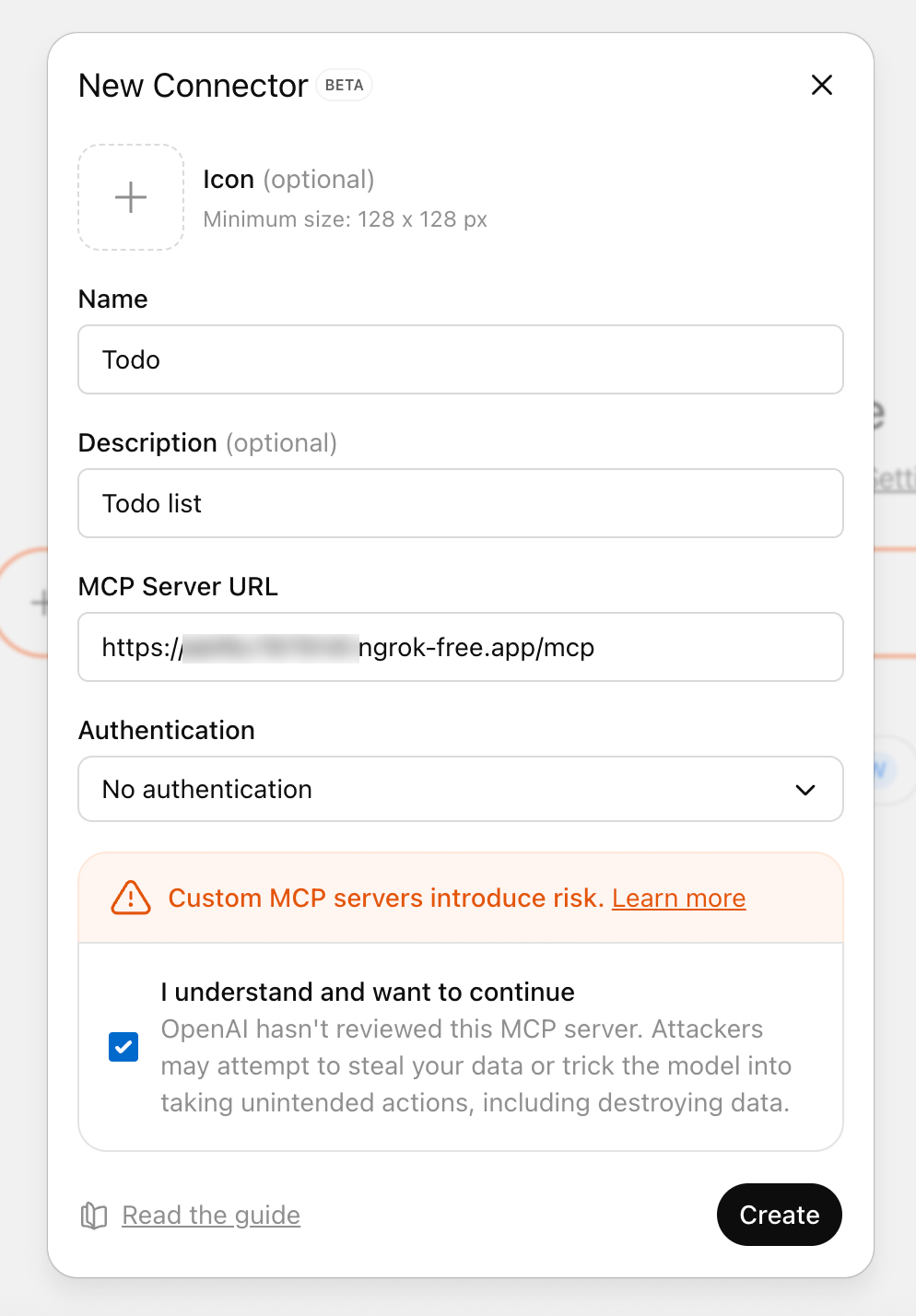
OpenAI's remote MCP guidance turns trust minimization into a product requirement

Tool vendors should not stop at 'works with ChatGPT'. They need to explain tool shape, read-only versus write scope, data minimization, and why the server is safe to connect.

AWS MCP Server console visual for a remote MCP trust and permission-boundary signal
Related image source: Coder.

What this signal really says

Remote MCP, connectors, search and fetch tools, and trusted-server demand all point to the same question: which server should a team trust with production data and tool access? This matters because the signal is less about one isolated announcement and more about a change in how workflow work is evaluated.

Tool vendors should not stop at 'works with ChatGPT'. They need to explain tool shape, read-only versus write scope, data minimization, and why the server is safe to connect. Workflow signals matter when they shorten the path from demand to delivery, not merely when they add another tool name to the list.

Global AI teams should spend less time polishing one-off showcase pages and more time structuring durable public assets: publisher identity, product catalogs, authorization rules, support knowledge, and bot verification all need to be readable and trustworthy. In that context, the useful question is not whether the topic is hot, but whether it changes a page, workflow, or decision that a builder can test this week.

What it means for global AI teams

For MCP vendors, enterprise tools, knowledge products, and developer platforms, this should be read as an operating prompt rather than a headline. The team needs to translate the signal into what a user can understand, verify, authorize, or act on.

As MCP becomes a distribution layer, the most adoptable products may be the ones with the clearest permissions and the smallest risk surface. If that sentence cannot be turned into visible page copy, a checklist, or a workflow boundary, the signal is probably still too abstract to use.

A useful next move

The smallest useful move is this: reduce every public MCP offer to the smallest useful tool set and document read/write scope, allowed tools, and third-party data risks.

Do it on one page or one flow first. A good test is small enough to ship quickly, but concrete enough that search systems, AI agents, and real readers can all understand the same promise.

Where the boundary sits

Too many tools and vague descriptions make prompt-injection and over-collection worries feel justified. This is why the original source remains linked at the end of the article: the Radar article is meant to turn a signal into judgment, not replace source verification.

Remote MCPConnectorsTool Trust