Where the workflow shifted
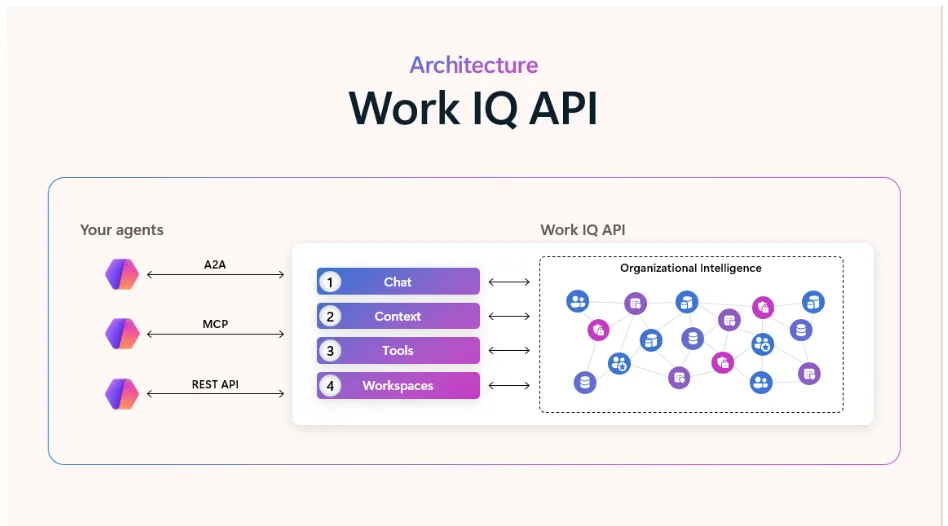
Microsoft's developer post frames Work IQ as a production intelligence layer built around identity, permissions, semantic indexing, and work context.
Before agents connect to organizational data, teams need rules for what can be read, retrieved, summarized, written back, or audited.
Tool names are not outcomes
The signal matters when it clarifies search intent, proof, and conversion action, not when it adds another traffic tactic.
Check permissions and failure
- Classify data as public knowledge, team material, customer data, or sensitive business records, then define read and write rules
- Keep the test narrow: one priority page with clear topic, source links, internal links, and a conversion action
What still needs proof
Treating every source as one context layer invites permission mistakes and bad citations. Keep the original source open so the announcement, the evidence, and this site's interpretation stay separate.