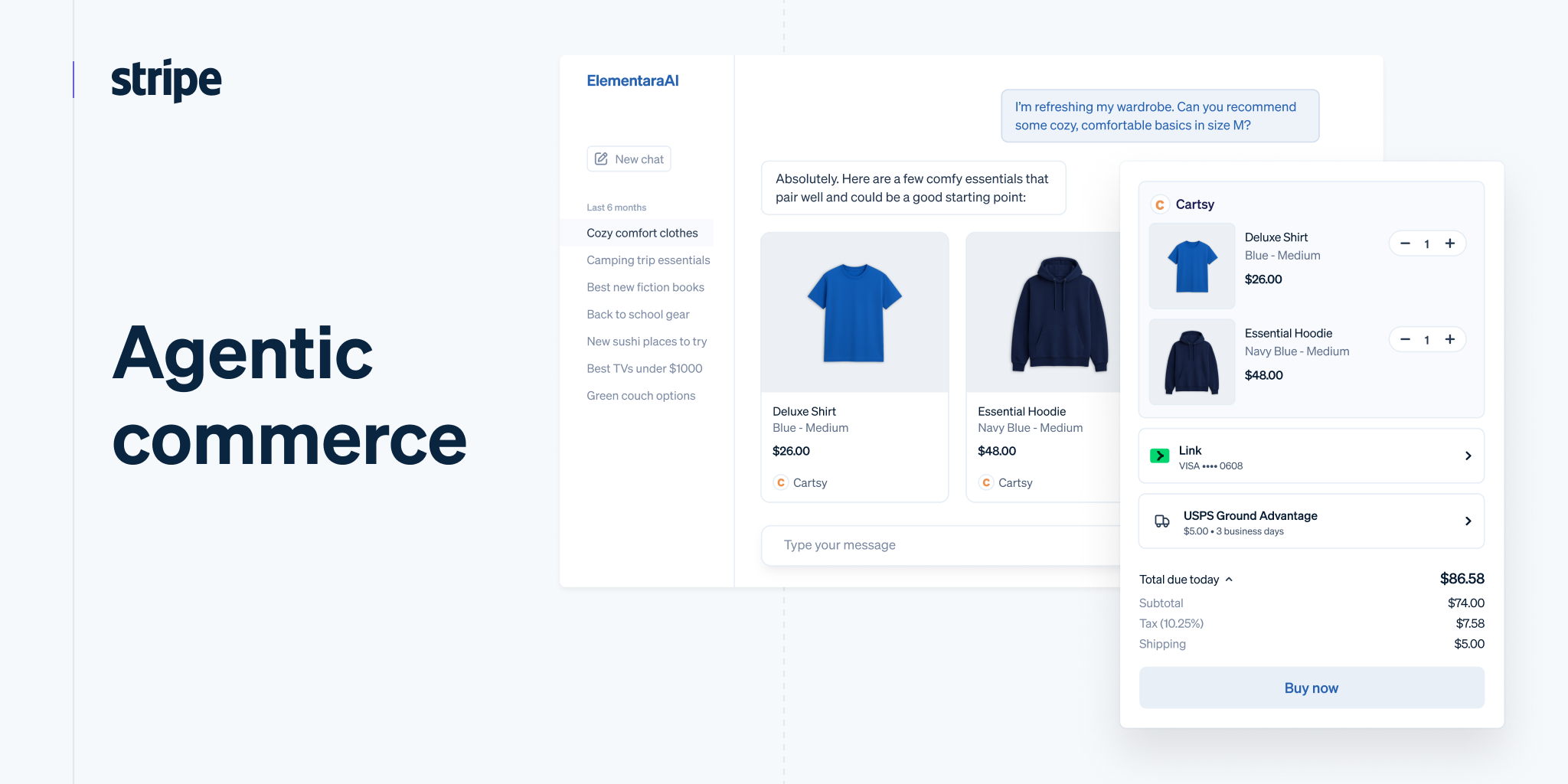
Where checkout changed
A robust checkout path handles failure, authorization, and human escalation as first-class design.
AI users should know how to recover if payment fails and where escalation starts.
Do not trust one conversion number
The useful question is no longer whether a purchase happened; it is which step created the hesitation, missing fact, or measurement gap.
Check the event model
- Add explicit failure notices, retry and revoke paths near checkout
- Keep the test narrow: one priority product or checkout flow before expanding recommendation, authorization, payment, and support work
What still needs proof
If failure is hidden, trust drops even when successful transactions are high. Keep the original source open so the announcement, the evidence, and this site's interpretation stay separate.