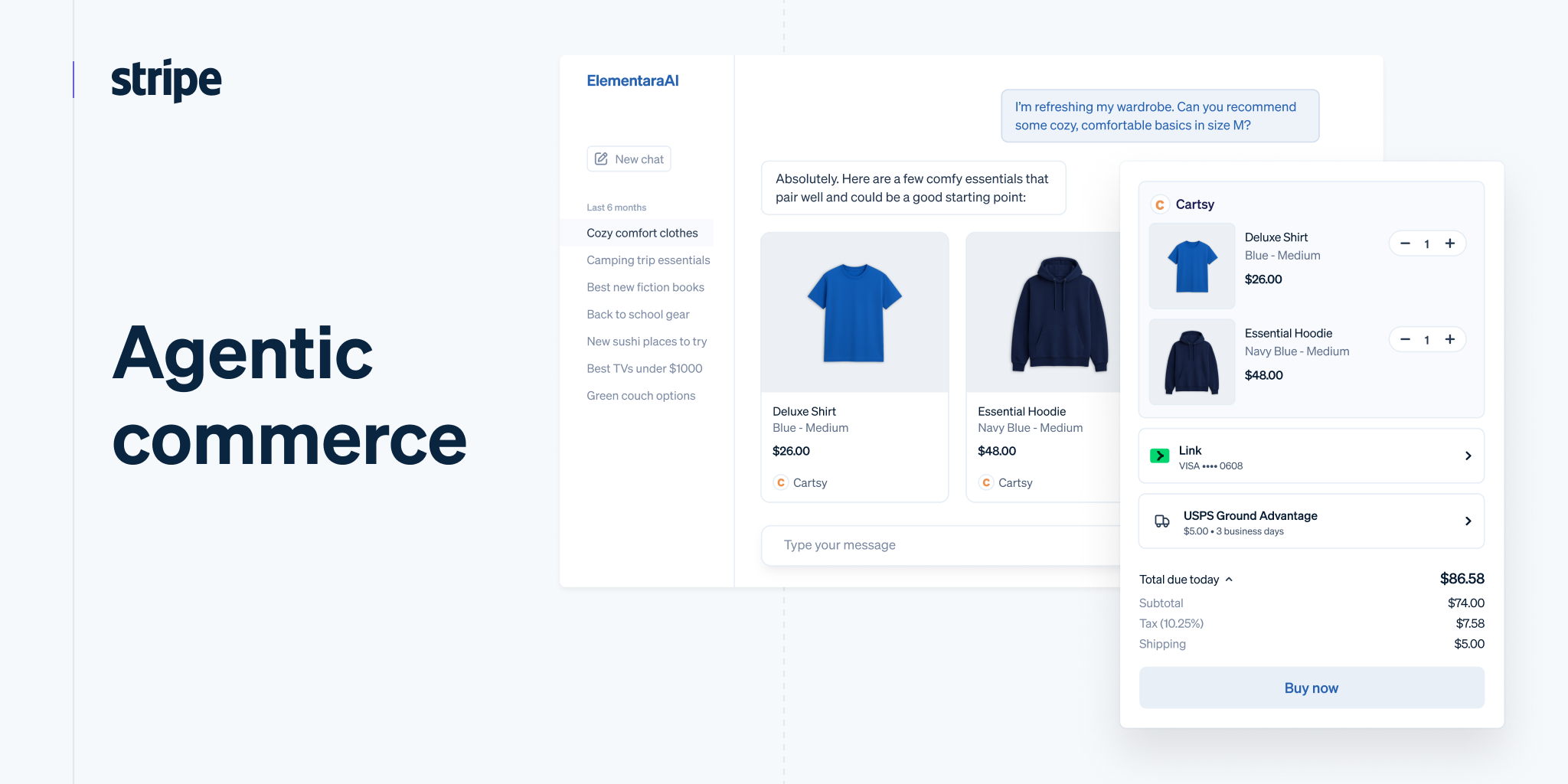
Where checkout changed
Paddle's Merchant of Record framing puts tax, payments, compliance, refunds, and billing responsibility around the transaction entity.
If a product uses a merchant-of-record or third-party seller, the page should explain billing name, tax handling, invoice access, refund path, and support responsibility.
Do not trust one conversion number
The useful question is no longer whether a purchase happened; it is which step created the hesitation, missing fact, or measurement gap.
Check the event model
- Add FAQ rows for billing descriptor, invoice source, refund owner, and tax owner
- Keep the test narrow: one service scenario with clear inputs, deliverables, acceptance rules, and human review
What still needs proof
Unclear billing entity creates chargebacks, invoice confusion, and procurement delays. Keep the original source open so the announcement, the evidence, and this site's interpretation stay separate.