Start from the real task
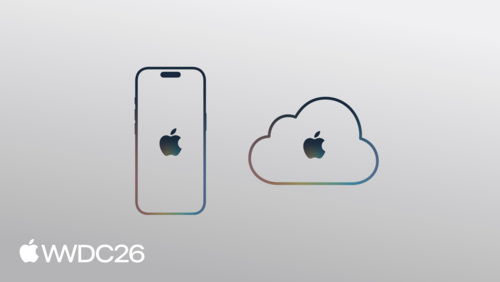
Private Cloud Compute, the new Apple Foundation Model, and cloud inference show that mobile AI is not only on-device. It is boundary design.
In health, education, legal, finance, and enterprise knowledge scenarios, users care where data is processed and whether the decision path can be trusted.
A case is not yet a market
The signal matters when it clarifies a real service task, deliverable, and acceptance rule, not when it only shows a demo.
Check the delivery boundary
- Separate high-sensitivity tasks and write privacy explanation, confirmation steps, and data-retention promises for them
- Keep the test narrow: one service scenario with clear inputs, deliverables, acceptance rules, and human review
What still needs proof
If cloud inference is not explained, high-value users will treat the product as a black box. Keep the original source open so the announcement, the evidence, and this site's interpretation stay separate.